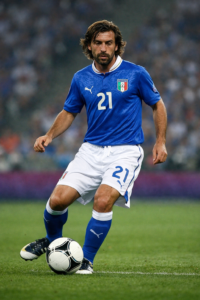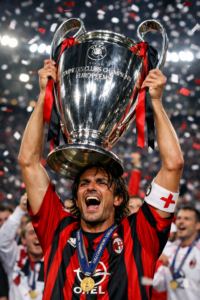
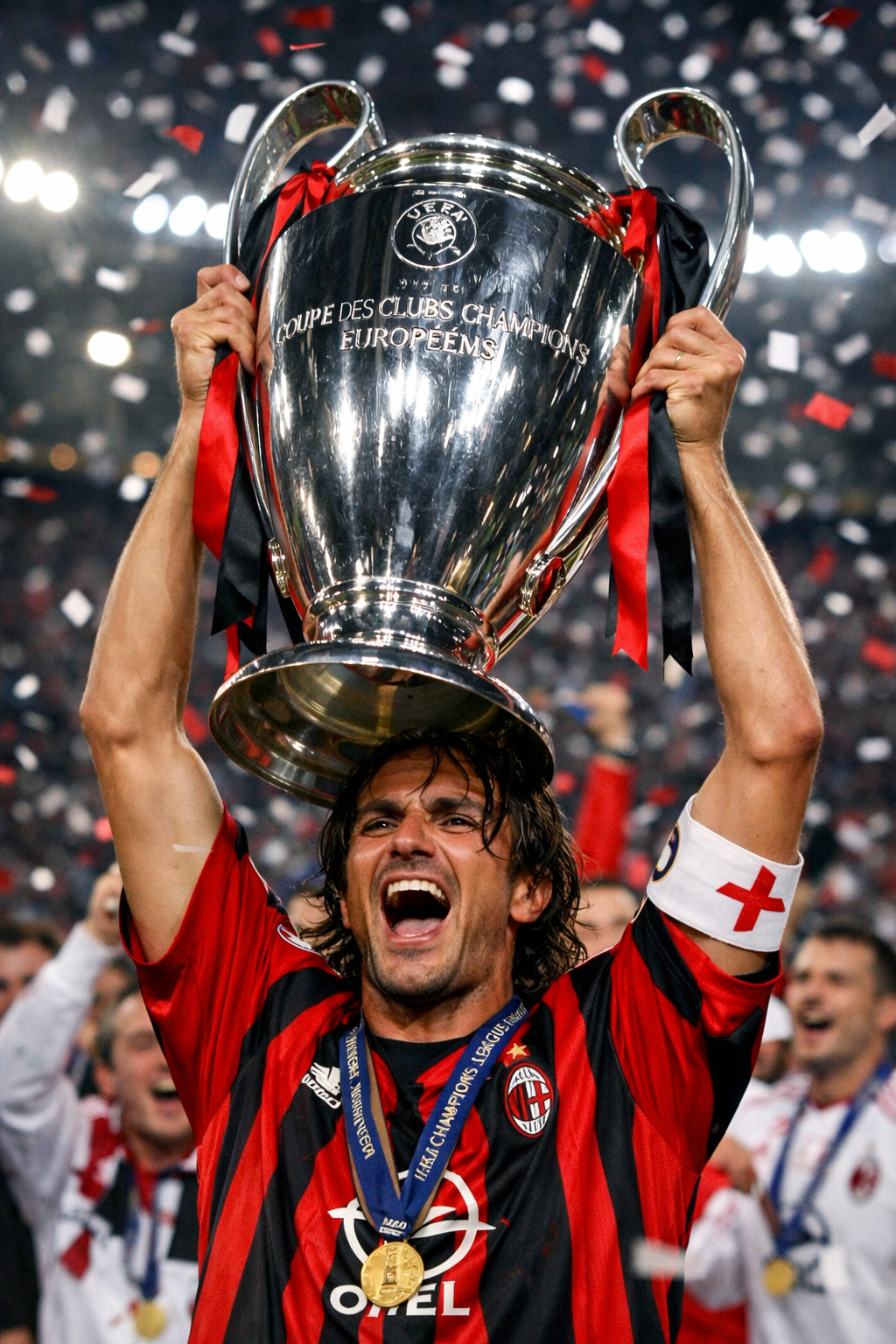
When discussing the Paolo Maldini greatest defender debate, one name stands above all others in Italian football. Maldini’s career, spanning over 25 years, redefined defensive excellence. His elegance, tactical intelligence, and leadership made him not just a player, but a symbol of Italian football’s soul.
Early Life and Rise at AC Milan
Born in Milan in 1968, Paolo Maldini was destined for greatness. His father, Cesare Maldini, captained AC Milan in the 1960s, and Paolo carried that legacy forward.
- Debut: 1985, at just 16 years old.
- Club: AC Milan (1985–2009).
- Appearances: Over 900 matches for Milan.
From his first game, Maldini displayed maturity beyond his years — calm under pressure, precise in tackles, and visionary in positioning.
Defensive Mastery and Style
Maldini wasn’t just a defender; he was an artist of anticipation. His ability to read the game made him nearly impossible to beat.
Key Traits
- Positioning: Always one step ahead of attackers.
- Tackling: Clean, calculated, and rarely reckless.
- Leadership: Commanded respect without shouting — his presence alone inspired teammates.
- Versatility: Excelled as both left‑back and center‑back.
He famously said, “If I have to make a tackle, then I have already made a mistake.” That philosophy defined his approach — defending through intelligence, not aggression.
Achievements and Records
| Category | Achievement |
|---|---|
| Club Titles | 5 × UEFA Champions League, 7 × Serie A, 1 × Coppa Italia |
| International | 126 caps for Italy, 4 World Cups |
| Longevity | 25 years at AC Milan |
| Individual Honors | UEFA Club Defender of the Year, FIFA World XI selections |
Maldini’s trophy cabinet mirrors his consistency. Few players have maintained elite performance for over two decades.
Analytical Insights
1. Tactical Intelligence
Maldini’s understanding of space and timing was revolutionary. He adapted seamlessly to different systems — from Arrigo Sacchi’s high‑pressing Milan to Carlo Ancelotti’s possession‑based era.
2. Leadership Without Ego
He led by example, not by volume. His calm demeanor and professionalism made him a role model for generations.
3. Longevity and Adaptability
Playing until age 41, Maldini evolved with football itself — from the physical Serie A of the 1980s to the technical modern game.
4. Legacy Beyond Numbers
Maldini’s influence extends beyond trophies. He embodied loyalty, spending his entire career at one club — a rarity in modern football.
Cultural Impact
In Italy, Maldini represents more than football — he symbolizes discipline, loyalty, and grace.
- AC Milan’s identity: Built around his leadership.
- Italian defense philosophy: Maldini’s style became the blueprint for defenders like Cannavaro and Chiellini.
- Global respect: Even rival fans admired his professionalism.
Comparisons and Influence
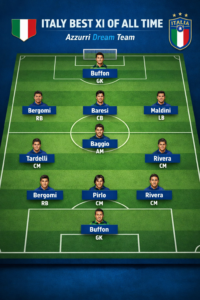
While Italy has produced legends like Franco Baresi, Fabio Cannavaro, and Alessandro Nesta, Maldini’s combination of longevity, versatility, and leadership sets him apart.
- Baresi: Tactical genius, but shorter career.
- Cannavaro: Won the 2006 Ballon d’Or, yet lacked Maldini’s consistency.
- Nesta: Technically brilliant, but injury‑prone.
Maldini’s career outlasted them all, bridging generations and styles.
Internal & External Links
- Internal: Link to your AC Milan history article and Top Italian Defenders of All Time.
- External: Add a reference to UEFA’s official Maldini profile (bing.com in Bing) for credibility.
The Legacy Continues
Today, Maldini’s legacy lives on through his son Daniel Maldini, continuing the family tradition at Milan. Paolo’s post‑retirement role as a club director shows his enduring influence on football philosophy and youth development.
In Conclusion
Paolo Maldini isn’t just the greatest defender in Italy — he’s the embodiment of footballing perfection. His career combined skill, intelligence, and loyalty in a way few athletes ever achieve. For fans and players alike, Maldini remains the gold standard of defensive excellence.
About The Author