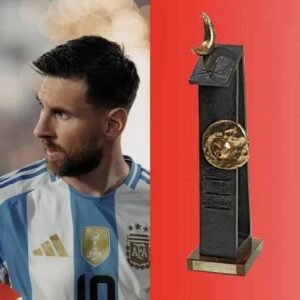
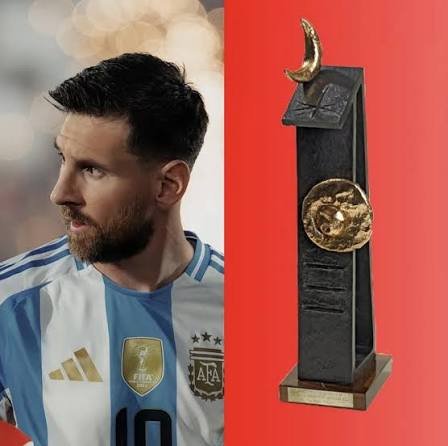
Lionel Messi’s career is extraordinary — record goals, countless trophies, and moments of pure magic. Yet, greatness in football isn’t measured by numbers alone. The Messi not the greatest footballer argument isn’t about denying his talent; it’s about understanding the broader context of football history, competition, and influence.
1. Greatness Beyond Statistics
Messi’s numbers are staggering — over 800 career goals, multiple Ballon d’Ors, and a World Cup. But football greatness transcends statistics. Players like Pelé, Maradona, and Cruyff shaped eras, philosophies, and nations.
- Pelé: Won three World Cups and revolutionized global football.
- Maradona: Carried average teams to glory through sheer willpower.
- Cruyff: Changed how football is played through “Total Football.”
Messi’s brilliance often came within structured systems — Barcelona’s tiki‑taka and Argentina’s modern setup — rather than redefining football itself.
2. The System vs. The Individual
Messi thrived in environments built around him:
- Barcelona: Pep Guardiola’s system maximized his strengths.
- Argentina (2022): A team tailored to his rhythm and leadership.
Contrast that with Maradona, who dragged Napoli — a mid‑table side — to Serie A titles and led Argentina to the 1986 World Cup almost single‑handedly. Messi’s greatness is collective; others’ was often solitary.
3. The Era of Advantage
Modern football offers advantages that past legends never had:
- Advanced training, nutrition, and analytics.
- Safer pitches and protective refereeing.
- Tactical systems designed to shield stars.
While Messi mastered this era, older legends thrived in harsher conditions — fewer substitutions, brutal tackles, and heavier balls. Comparing eras fairly means acknowledging these differences.
4. The Leadership Question
Messi’s leadership style is quiet and internal. He inspires through performance, not personality. But football’s greatest icons often led through charisma and emotion:
- Maradona: Fierce, vocal, and fearless.
- Pelé: A global ambassador for the sport.
- Cristiano Ronaldo: Driven, vocal, and relentless.
Messi’s reserved nature sometimes limited his influence beyond the pitch. Greatness often includes cultural leadership — shaping identity, not just winning games.
5. The Global Impact
Messi’s impact is immense, but Pelé and Maradona transcended football itself.
- Pelé became a symbol of hope and unity in Brazil’s post‑war era.
- Maradona embodied Argentina’s working‑class struggle and pride. Messi’s story, while inspiring, is more personal — a tale of perfection, not revolution.
6. The GOAT Debate: Subjective by Nature
Greatness is subjective. Some value trophies, others artistry, others influence. Messi dominates the statistical era, but football’s soul is built on emotion and transformation.
- Pelé: The pioneer.
- Maradona: The magician.
- Messi: The perfectionist.
Each represents a different kind of greatness — and perfection doesn’t always equal supremacy.
Analytical Summary
| Criteria | Messi | Maradona | Pelé |
|---|---|---|---|
| Technical Skill | Exceptional | Exceptional | Exceptional |
| Influence on Game | Moderate | Transformative | Revolutionary |
| Era Difficulty | Modern, protected | Physical, brutal | Early, raw |
| Leadership Style | Quiet | Charismatic | Inspirational |
| Cultural Impact | Global fanbase | National hero | Global icon |
About The Author