The Chelsea crisis shows no signs of slowing down. What was once a dominant force in English football is now a club struggling for identity, consistency, and direction in the Premier League.
At Stamford Bridge, frustration is growing with every passing week. Performances are inconsistent, results are collapsing, and confidence within the squad appears to be fading rapidly.
⚽ A Team Struggling for Identity
Chelsea FC are no longer playing with the authority or structure expected from a top club. Instead, matches often look disjointed, with little clear tactical identity.
This Chelsea crisis is not just about losing games, it is about how they are losing them. Defensive lapses, lack of coordination, and poor game management have become recurring issues.
Even when Chelsea start matches well, they struggle to maintain control, often conceding momentum too easily to opponents.
🧠 Managerial Pressure and Tactical Uncertainty
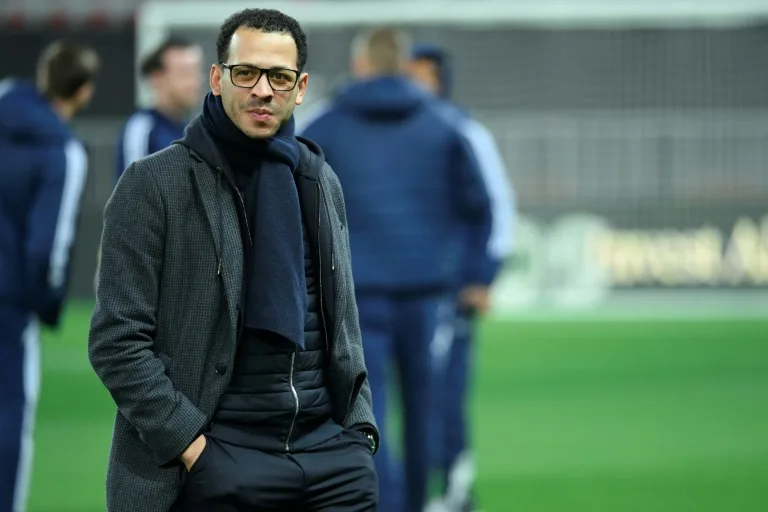
Manager Liam Rosenior has found himself under increasing pressure as results continue to decline. While he arrived with a reputation for modern tactical ideas, implementing them at Chelsea has proven far more difficult than expected.
The squad looks unsettled, and tactical consistency is missing. Players often appear unsure of their roles, which only deepens the ongoing Chelsea crisis.
At this level, clarity is everything—and Chelsea currently lack it.
🔵 Squad Issues and Leadership Problems
Leadership on the pitch has also become a concern.
Enzo Fernández, who was expected to play a key leadership role, has been involved in recent controversies that have affected squad harmony. When senior players are not fully aligned with the manager’s vision, instability naturally follows.
The result is a team that struggles to respond under pressure, often collapsing in key moments of matches.
💰 Transfer Decisions Under Scrutiny
Another major factor in the Chelsea crisis is recruitment strategy.
The signing of Alejandro Garnacho for a significant fee raised eyebrows across the football world. While talented, questions were already being asked about his consistency and mentality following his time at Manchester United.
Instead of strengthening weak areas, Chelsea’s transfer decisions often appear reactive rather than strategic. This lack of direction is a key reason the club continues to struggle.
📉 Results Reflect the Decline
Chelsea’s recent form tells the story clearly: too many defeats, too little control, and no clear recovery pattern.
Opponents no longer fear Stamford Bridge. Instead, many see Chelsea as a team vulnerable to pressure, especially in second halves where concentration often drops.
This is the reality of the current Chelsea crisis—a once-dominant club now fighting uncertainty on every front.
🧩 Bigger Picture: A Club Without Stability
Ownership under Behdad Eghbali continues to push long-term planning, but short-term instability is undermining progress.
Without a consistent footballing identity, Chelsea risk repeating the same cycle: rebuild, struggle, reset.
Until structure, leadership, and tactical clarity are restored, the Chelsea crisis is likely to continue.
🔚 Conclusion
Chelsea are not simply in poor form—they are in a structural transition that has yet to find balance.
Fixing this will require more than signings or managerial tweaks. It requires a clear identity, patience, and unified direction from top to bottom.
Until then, Stamford Bridge remains a club in search of answers.
The Chelsea crisis is now becoming a defining narrative of their season. Every match adds more pressure, and every result raises more questions about the direction of the club. Unless stability is restored quickly, Chelsea risk falling further behind their rivals in both performance and mentality. Fans are now demanding answers, not promises, as uncertainty continues to grow around Stamford Bridge.
About The Author


