By GuzSport Editorial Team
The Chelsea crisis is no longer a short-term slump—it has become a full-blown collapse. Chelsea FC are unraveling both on and off the pitch…

In less than a year, Chelsea have gone from champions to a club struggling for identity. And the warning signs are no longer subtle—they are impossible to ignore.
Managerial Chaos Sets the Tone
The decision to part ways with Enzo Maresca at the start of 2026 raised serious questions. While Chelsea have never shied away from managerial changes, the execution this time felt particularly disjointed. It lacked clarity, direction, and long-term planning.
His replacement, Liam Rosenior, arrived with a reputation as a progressive coach. However, stepping into a fractured environment has proven to be an uphill battle.
Chelsea’s poor run is part of a wider issue in the Premier League.
👉 Read more: /premier-leaguepremier League analysis hub (/premier-league)
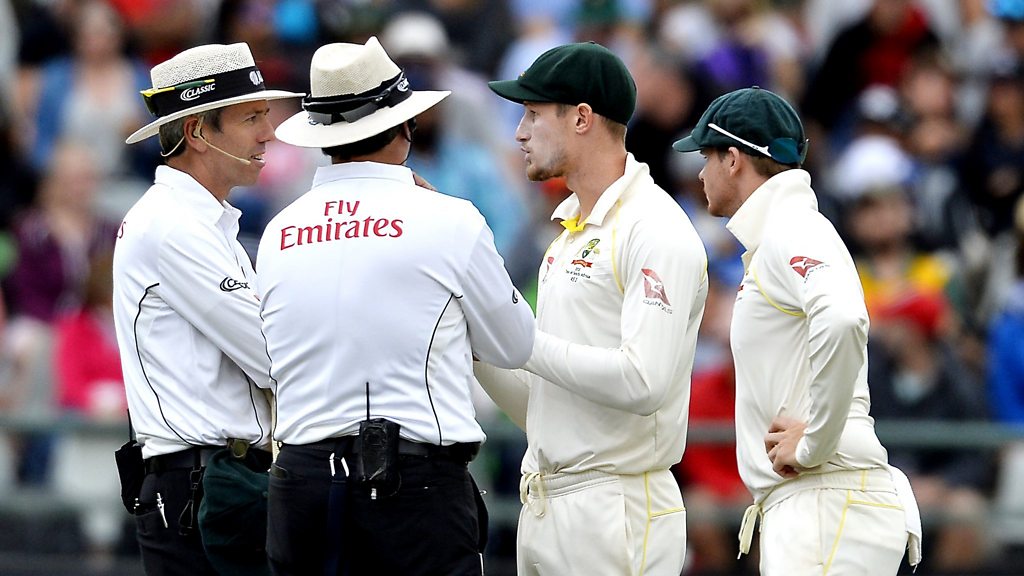
Rather than stabilizing the squad, Rosenior has found himself navigating a storm. Tactical inconsistency, questionable in-game decisions, and off-field distractions have defined his early tenure. One bizarre pre-match moment—where players gathered around a referee in the center circle—only added to the growing perception of a team lacking discipline and focus.
The result? Another defeat—this time against Newcastle United.
Results Reflect Deeper Problems
Chelsea’s form has been alarming. Six defeats in their last seven matches across all competitions tell a story that goes beyond tactics.
This is not just a team out of form—it is a team without structure.
Confidence is low, cohesion is missing, and the performances reflect a group struggling to understand its own identity. Matches are being lost not just on quality, but on organization, communication, and belief.
Dressing Room Tension Emerging
Internal issues have only made matters worse.
“The Chelsea crisis is now affecting every level of the club, from recruitment to performances on the pitch.”
Rosenior’s decision to drop captain Enzo Fernández following controversial media comments signals deeper unrest within the squad. When leadership on the pitch becomes unstable, performances often follow the same trajectory.
At the same time, the Chelsea Supporters’ Trust has publicly expressed a lack of confidence in the club’s ownership. For a club of Chelsea’s stature, such a statement reflects serious dissatisfaction among the fanbase.
Transfer Strategy Under Fire
If there is one decision that perfectly captures Chelsea’s current dysfunction, it is the £50 million signing of Alejandro Garnacho.
On talent alone, Garnacho is promising. But football is not played in isolation—it requires balance, discipline, and the right mentality. His exit from Manchester United raised concerns about attitude and consistency—issues Chelsea can hardly afford at this stage.
Yet, the club moved forward with the deal.
This raises a bigger question: What exactly is Chelsea’s recruitment strategy?
A Vision Without Direction
Co-owner Behdad Eghbali recently spoke about assembling a squad filled with “elite players.” While ambitious, the statement lacked clarity.
Is success achieved by stockpiling talent—or by building a cohesive, well-structured team?
The answer is obvious. Football history consistently shows that balance, leadership, and tactical identity matter far more than sheer numbers.
Right now, Chelsea appear to be chasing quantity over quality, potential over purpose.
From Champions to Uncertainty
What makes Chelsea’s situation even more striking is the speed of their decline.
Just months ago, they were competing at the highest level, carrying the confidence of champions. Today, they look vulnerable, disorganized, and, at times, completely out of sync.
Ultimately, the Chelsea crisis is a warning sign of what happens when ambition is not matched with structure. Without immediate changes, the situation could deteriorate even further in the coming months.
This is no longer a temporary dip—it is a structural crisis.
Final Thoughts
For Chelsea to recover, change must come quickly—and decisively.
- A clear footballing philosophy must be established
- Recruitment must align with tactical needs
- Dressing room stability must be restored
- Leadership—from the board to the pitch—must improve
“Unless changes are made quickly, the Chelsea crisis could define the club’s season.”