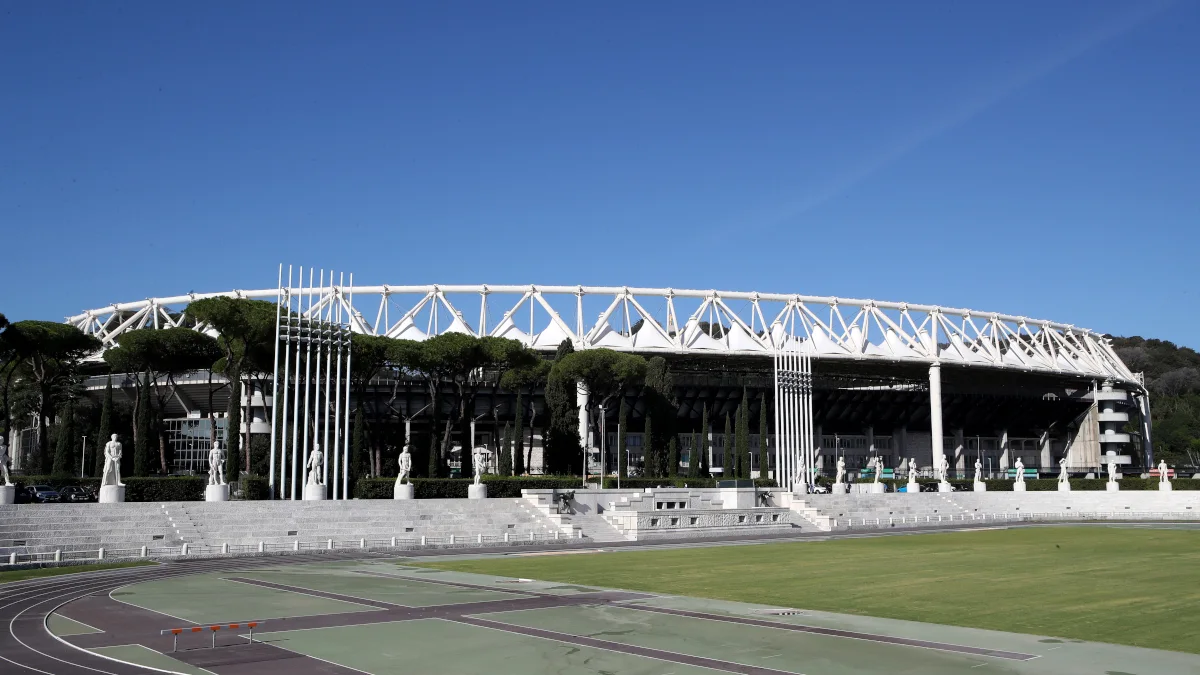
Roma’s long‑awaited Pietralata stadium project is finally moving forward, and its impact could be seismic. For decades, Roma have shared the Stadio Olimpico with Lazio, limiting their ability to generate matchday revenue and modern fan experiences. Now, with approval secured, the Giallorossi are poised to join Europe’s elite clubs with a stadium of their own.
⚡ Why It Matters
- Revenue Growth: Modern stadiums like Juventus’ Allianz and Tottenham’s new ground generate hundreds of millions annually. Roma’s new venue could double their matchday income.
- Fan Experience: State‑of‑the‑art facilities, digital ticketing, and immersive fan zones will strengthen loyalty.
- Commercial Expansion: Naming rights, hospitality, and events beyond football will diversify revenue streams.
📊 Comparative Snapshot
| Club | Stadium | Annual Matchday Revenue |
|---|---|---|
| Juventus | Allianz Stadium | €65m+ |
| Tottenham | Tottenham Hotspur Stadium | €110m+ |
| Roma (projected) | Pietralata Stadium | €70–90m |
🔎 Tactical Financial Impact
Roma’s stadium is not just bricks and mortar — it’s a tactical move in the financial arms race of Serie A. With rivals like Inter and Milan also exploring upgrades, Roma’s project positions them to compete for top players and sustain Champions League ambitions.
🏆 Opinion: Why This Is Roma’s Turning Point
For years, Roma have been seen as passionate but financially constrained. The Pietralata stadium changes that narrative. It’s a declaration that Roma intend to be more than a feeder club — they want to be a powerhouse.
If executed well, this project could redefine Roma’s trajectory, ensuring they remain competitive in Italy and Europe for decades.
🎯 Key Takeaways
- Roma’s new stadium could double matchday revenue.
- Fan experience and commercial opportunities will expand.
- The project is a tactical move in Serie A’s financial arms race.
About The Author


